Finding the right kids’ activities in Didsbury is about more than keeping children entertained after school or at weekends. The right activities can help children develop confidence, make friends, discover new interests and build skills that support their learning.
From French language classes and creative workshops to sports, music and reading clubs, there are plenty of ways to encourage children to learn beyond the classroom. Whether your child enjoys trying new things or needs a little encouragement to participate, choosing an activity that suits their personality can make all the difference.
What Are the Best Educational Activities for Kids in Didsbury?
Some of the best educational activities for children combine enjoyment with opportunities to develop practical, social and communication skills.
For families, popular types of enrichment activities to explore include:
- Language classes: Introduce children to new vocabulary, pronunciation and different cultures.
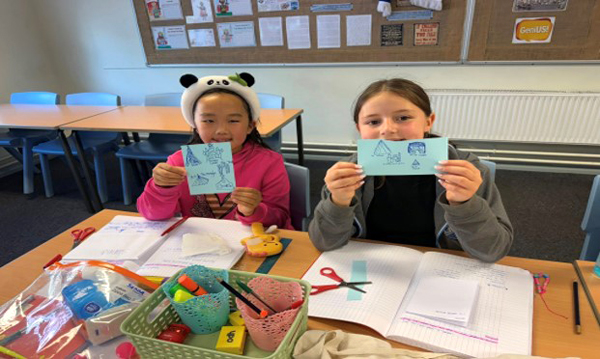
- Arts & crafts: Encourage creativity, concentration and self-expression.
- Music & drama: Develop listening skills, imagination and confidence.
- Sports clubs: Support coordination, teamwork and physical development.
- Reading & storytelling: Strengthen vocabulary, comprehension and communication.
- STEM activities: Encourage curiosity, problem-solving and logical thinking.
The best activity is not necessarily the most academically focused. Children often learn most effectively when they feel comfortable, interested and actively involved.
French Language Classes That Make Learning Fun
Learning a new language is an enriching activity for children because it combines communication, creativity and cultural discovery.
French classes can introduce children to a different way of expressing themselves while helping them develop listening skills, pronunciation and confidence.
At English–French Language Academy, we make French learning interactive and enjoyable through age-appropriate activities that encourage children to participate.
Learning Through Songs, Games & Stories
Children often remember new vocabulary more easily when they connect words with actions, pictures, sounds and familiar experiences.
Our teaching approach incorporates songs, storytelling, games and roleplay to make French accessible and engaging.
For example, younger children might learn colours through a matching game, practise numbers through songs or discover animal vocabulary through stories.
These activities allow children to practise French naturally rather than relying entirely on memorisation.
Building Confidence Through Conversation
Speaking a new language can feel unfamiliar, particularly for children who are worried about making mistakes.
Small-group activities and simple conversations provide opportunities to practise in a supportive environment.
Children can begin with everyday expressions such as greetings and introductions before developing more varied vocabulary and conversational skills.
Our French classes for children offer structured opportunities to explore the language while enjoying interactive learning.
Creative Activities That Encourage Imagination
Art, music and drama provide valuable opportunities for children to express themselves and develop new interests.
These activities can be especially appealing to children who enjoy learning through making, performing or experimenting.
Arts & Crafts
Drawing, painting and craft activities encourage children to make decisions, explore ideas and develop concentration.
Projects such as designing posters, creating greeting cards or illustrating stories can also connect naturally with subjects learnt at school.
Music & Drama
Music encourages children to listen carefully, recognise patterns and develop rhythm.
Drama provides opportunities to practise communication, storytelling and expressing ideas in front of others.
These creative approaches are also useful in language education, where songs and roleplay can help children become more comfortable with unfamiliar vocabulary and pronunciation.
Sports & Team Activities for Children’s Development
Physical activities are another important part of learning beyond the classroom.
Football, swimming, dance, gymnastics and other sports give children opportunities to practise coordination, follow instructions and work towards personal goals.
Team activities can also help children develop social skills through cooperation, communication and shared experiences.
When choosing a sports club, consider whether your child prefers individual challenges or group activities.
Some children enjoy the structure of organised teams, while others feel more comfortable in smaller classes where they can develop skills at their own pace.
The most suitable activity is one your child looks forward to attending, rather than something that feels like another obligation.
Reading & Storytelling Activities for Young Learners
You do not need to speak French fluently to support your child.
Reading is one of the simplest ways to support children’s language development outside school.
Stories introduce unfamiliar words, encourage imagination and help children understand how language communicates meaning.
Parents can make reading more interactive by asking children to predict what happens next, describe characters or explain their favourite part of a story.
For younger children, picture books and storytelling games provide opportunities to practise speaking and listening without requiring advanced reading skills.
Exploring Stories in Different Languages
Books can also introduce children to other cultures and languages.
A simple French picture book, for example, might help a child recognise familiar words for animals, colours or everyday objects.
At English–French Language Academy, we recognise the value of reading as part of language learning. Our La Librairie French reading resource encourages children to discover French through books and stories.
Combining reading with songs, conversation and creative activities can make new vocabulary more meaningful.
Why Saturday Activities Can Be Valuable for Children
Saturday clubs offer children opportunities to explore interests that may receive less attention during the school week.
Unlike formal lessons, extracurricular activities can provide a different learning environment where children practise new skills through interaction and enjoyment.
For parents, Saturday activities can also create a consistent weekly routine without adding another commitment immediately after the school day.
Educational weekend clubs may be particularly useful for children who:
- Enjoy discovering new subjects and hobbies.
- Would benefit from practising communication skills.
- Prefer interactive learning to traditional written exercises.
- Want opportunities to meet children with similar interests.
- Are curious about languages, cultures or creative activities.
Our Saturday French classes in Didsbury are one example of how children can continue learning in an engaging setting beyond their regular school timetable.

Supporting Your Child’s Learning at Home
Educational activities do not have to stop when a club session ends.
Short, enjoyable activities at home can help children remember what they have learnt and become more confident using new skills.
For example:
- Language learning: Practise simple French greetings during everyday routines.
- Reading: Share a story and discuss the characters together.
- Creativity: Encourage children to draw or write about something they have discovered.
- Music: Sing familiar songs and explore different rhythms.
- Problem-solving: Try puzzles, building challenges or age-appropriate games.
For children learning French, even a few minutes of regular practice can help familiar words become easier to remember.
Our guide to helping your child learn French at home explores practical ways to make language practice part of everyday family life.
Discover a New Way to Learn in Didsbury
The right children’s activity can inspire curiosity, encourage new friendships and help children feel more confident trying unfamiliar things.
Whether your child enjoys creative projects, sports, storytelling or learning another language, choosing an activity that makes learning enjoyable is a valuable starting point.
At English–French Language Academy, we believe children learn best when they feel encouraged to participate, explore and communicate. Our Saturday French classes combine structured language learning with creative, interactive activities designed to make French accessible and enjoyable.
If you are exploring educational weekend activities for your child, discover our French classes for children in Didsbury and find out more about our approach to learning.