How to Help Your Child Learn French at Home
Supporting your child’s French learning at home doesn’t have to mean formal lessons or hours of studying. In fact, some of the most effective ways to build confidence in a new language come from making French part of everyday life. Whether your child is just starting to learn French at school or already enjoys speaking the language, small, consistent activities can make a real difference.
In this guide, we’ll share practical ideas you can use at home to help your child enjoy learning French while developing their confidence in speaking, listening and understanding the language.
The Best Way to Support Your Child’s French Learning
The most effective way to help your child learn French at home is through regular, enjoyable exposure to the language. Short, engaging activities completed several times a week are often far more beneficial than occasional long study sessions.
Children learn best when they are relaxed, interested and encouraged to use French naturally rather than worrying about making mistakes.
Make French Part of Everyday Life
One of the easiest ways to reinforce language learning is by introducing small amounts of French into your daily routine.
You could try:
- Greeting each other in French each morning.
- Counting toys, stairs or snacks together.
- Naming colours, animals and household objects.
- Using simple French phrases during mealtimes.
- Asking basic questions such as “How are you?” or “What would you like?”
These small moments help children become familiar with the language without feeling like they are doing homework.
Read French Books Together
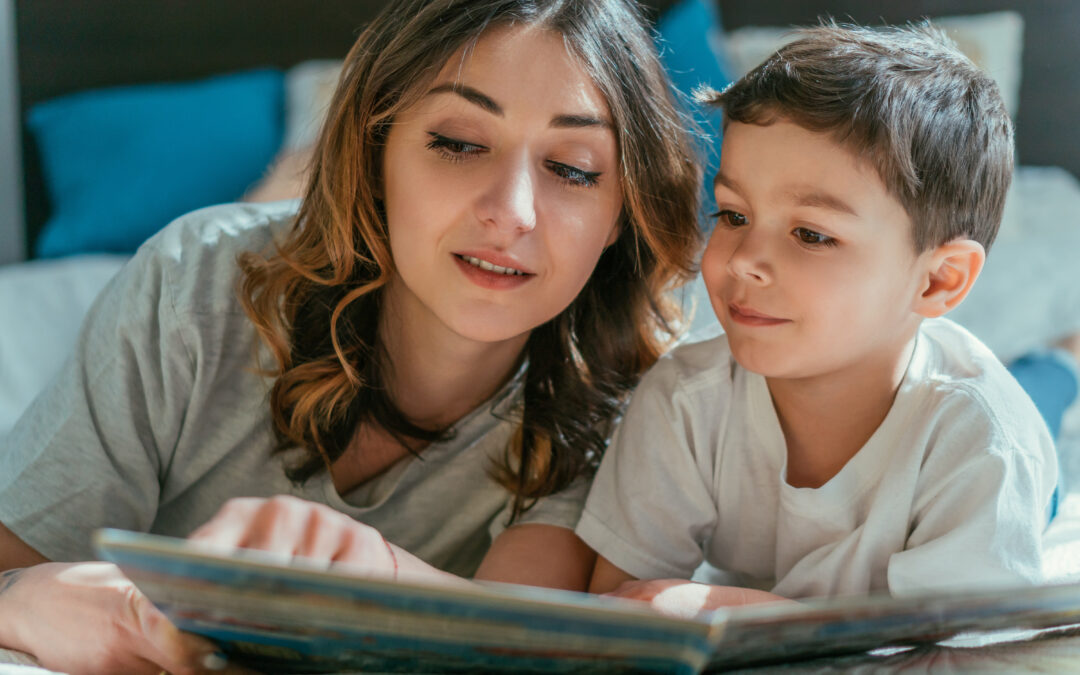
Reading is an excellent way to introduce new vocabulary while helping children become more comfortable recognising written French.
Choose books that match your child’s age and ability. If they’re just beginning, picture books with simple words and phrases are ideal.
Reading together also creates opportunities to:
- Practise pronunciation.
- Discuss new words.
- Build listening skills.
- Encourage curiosity about French culture.
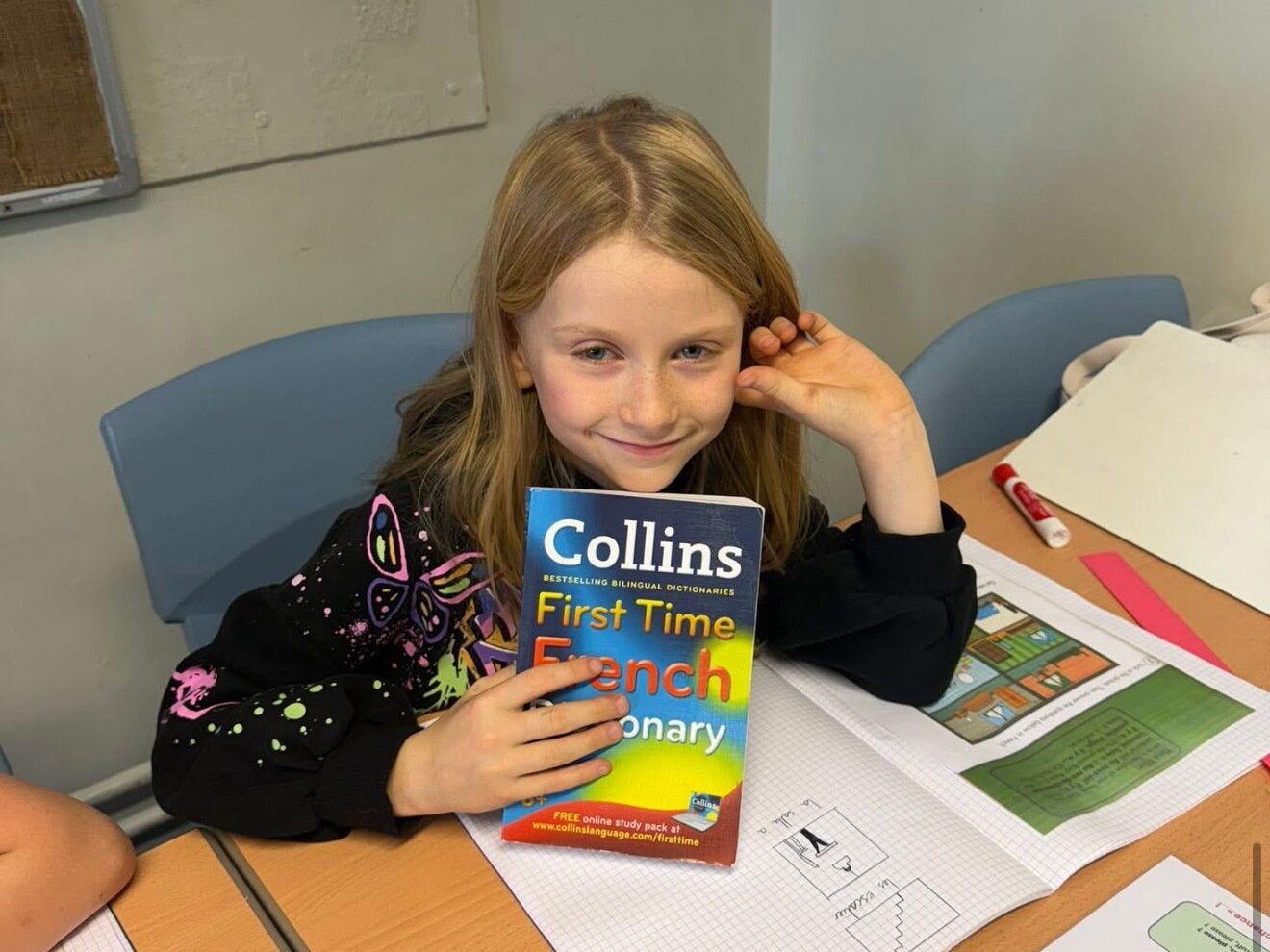
At English–French Language Academy, our La Librairie book lending programme encourages children to continue reading French at home between lessons, helping them develop confidence through regular practice.
Learn Through Songs, Games & Stories
Children often remember language more easily when they’re having fun.
Interactive activities help reinforce vocabulary without feeling repetitive.
Some ideas include:
French Songs
Children’s songs introduce pronunciation, rhythm and everyday vocabulary in a memorable way.
Language Games
Simple matching games, memory cards, word searches and scavenger hunts can make learning feel like play.
Storytelling
Reading or listening to short stories encourages children to understand language through context rather than simply memorising words.
This playful approach is one of the reasons language learning feels more natural for younger children.
Encourage Speaking Without Fear of Mistakes
Many children understand more French than they feel confident speaking.
Rather than correcting every mistake, encourage your child to have a go.
Celebrate progress, even if pronunciation or grammar isn’t perfect.
Confidence grows through regular conversation, and children who feel supported are far more likely to keep using the language.
Simple conversations lasting just a few minutes each day can gradually improve speaking skills over time.
Keep Learning Consistent During School Holidays
It’s common for children to lose confidence if they stop practising French during long school breaks.
Keeping lessons fun and consistent helps maintain vocabulary and speaking skills until the new term begins.
Holiday activities could include:
- Reading a French book together.
- Watching age-appropriate French cartoons.
- Playing vocabulary games.
- Completing short online lessons.
- Practising everyday conversations.
For families looking for extra support, our Online French Holiday Club offers personalised one-to-one sessions that help children continue developing their language skills while school is out.
Learn Alongside Your Child
You don’t need to be fluent in French to support your child’s learning.
Showing enthusiasm, asking questions and learning a few words together demonstrates that learning languages is something to enjoy rather than fear.
Children are often more motivated when parents join in with games, songs or simple conversations, even if everyone is learning together.
The goal isn’t perfection. It’s creating regular opportunities to hear, use and enjoy French.
When Extra Support Can Make a Difference
Every child learns at their own pace, and sometimes additional guidance can help build confidence more quickly.
If your child enjoys learning French but would benefit from structured support, regular lessons with experienced tutors can reinforce what they’re learning at school while developing speaking, listening and pronunciation in a supportive environment.
At English–French Language Academy, we offer personalised Children’s French Classes, online learning and age-appropriate programmes designed to help children develop confidence while enjoying authentic French language and culture.
Frequently Asked Questions
Children can begin learning French from a very young age. Early exposure through songs, games and simple conversation helps build confidence and familiarity with the language over time.
No. Encouraging your child, reading together and practising simple words or phrases is valuable, even if you’re learning alongside them.
Short sessions several times each week are usually more effective than occasional longer study sessions. Even ten to fifteen minutes of regular practice can help reinforce learning.
Frequent conversation is key. Giving children opportunities to speak French without worrying about mistakes helps build confidence and fluency naturally.
Help Your Child Enjoy Learning French
Supporting your child’s French learning at home doesn’t need to be complicated. By introducing simple, enjoyable activities into everyday life, you can help them build confidence, strengthen their language skills and develop a lifelong appreciation for French.
If you’re looking for additional support, explore our Children’s French Classes or discover our Online French Holiday Club to help your child continue progressing throughout the year.